
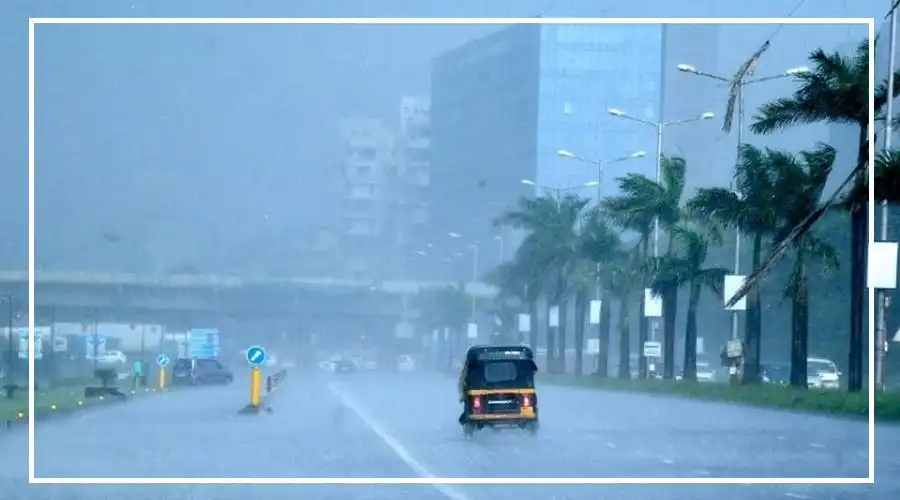

Cyclone Murasu has intensified over the Bay of Bengal, prompting weather alerts for parts of Andhra Pradesh and Odisha.
The storm is expected to bring strong winds, heavy rainfall and rough sea conditions, with wind speeds potentially reaching 120 kmph.
The India Meteorological Department (IMD) has warned of the cyclone’s possible impact along the eastern coast.
Residents in vulnerable coastal areas are being urged to follow official advisories and take precautions as the system approaches.
Cyclone Murasu Alert: Expected Wind Speed and Landfall
Cyclone Murasu is forecast to move towards the Andhra Pradesh coast, with the possibility of landfall between Nellore and Narsapur.
Forecasts indicate that the system could bring sustained winds of around 100–110 kmph, with gusts reaching up to 120 kmph.
The exact timing and location of landfall may change as the cyclone moves.
Residents should rely on the latest IMD bulletins and updates from local authorities rather than unverified forecasts shared online.
Andhra Pradesh and Odisha Under Weather Alert
Coastal Andhra Pradesh has been placed on high alert as the cyclone approaches.
Red and orange warnings have been issued for vulnerable areas, with heavy rain and strong winds expected in parts of the state.
Odisha is also being monitored for possible impacts from the weather system.
Rainfall, gusty winds and rough sea conditions may affect coastal communities and people involved in fishing and other sea-related activities.
The level of warning can vary by district and may be updated as the cyclone’s track becomes clearer.
People should check district-specific advisories for information about rainfall, wind conditions and any evacuation instructions.
Cyclone Murasu: Rainfall and Coastal Risks
The cyclone may bring very heavy to extremely heavy rainfall to parts of coastal Andhra Pradesh.
The IMD has also warned of a possible storm surge of around 1 to 1.5 metres above the normal tide level, which could inundate low-lying coastal areas.
Rough seas are another concern. Fishermen have been advised to stay away from the affected waters, while people living near the coast should follow instructions from disaster management teams.
Safety Measures for Residents
Residents in areas under warning should take the following precautions:
Follow IMD bulletins and district administration announcements.
Keep away from beaches, shorelines and flooded roads.
Secure loose objects around homes and outdoor areas.
Keep essential medicines, drinking water, food, a torch and charged phones ready.
Move to designated shelters if instructed by local authorities.
Cyclone forecasts can change as the system develops. Residents should follow official updates from the IMD and state disaster management authorities for the latest warnings and emergency instructions.