
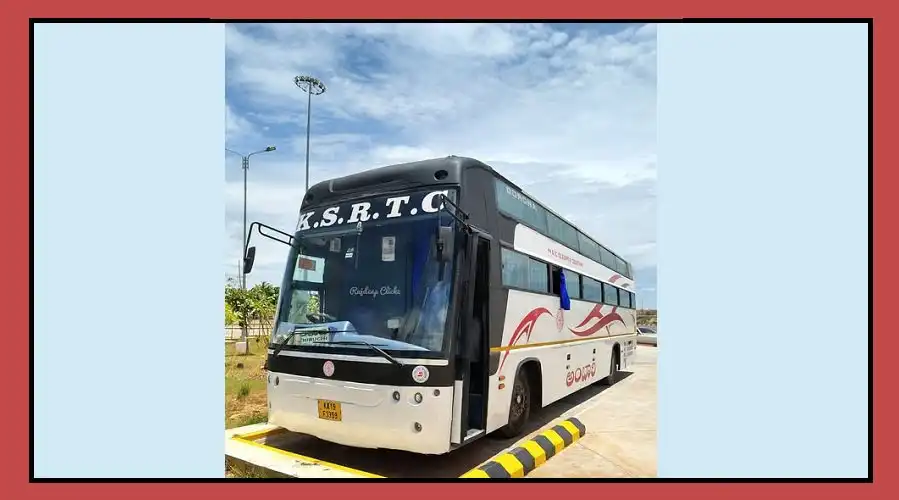

Karnataka Bus Fare Hike has been officially announced, bringing higher ticket prices for passengers travelling on state-run buses.
The revised fares will apply to all four state transport corporations, including BMTC and KSRTC, from midnight on November 4, meaning commuters will pay the new rates from November 5, 2026.
Transport Minister Byrathi Suresh announced the decision on November 4, citing rising diesel prices, employee-related expenses and mounting financial losses faced by the transport corporations.
The increase will vary according to the type of bus service and distance travelled.
The revision will affect daily commuters in Bengaluru as well as passengers travelling between cities and towns across Karnataka.
Karnataka Bus Fare Hike: Which Transport Corporations Are Affected?
The revised fare structure covers all four state-run road transport corporations in Karnataka:
Karnataka State Road Transport Corporation (KSRTC)
Bengaluru Metropolitan Transport Corporation (BMTC)
North Western Karnataka Road Transport Corporation (NWKRTC)
Kalyana Karnataka Road Transport Corporation (KKRTC)
According to the announcement, the average fare increase for KSRTC services will be around 23 per cent, while BMTC fares in Bengaluru will rise by approximately 32 to 35 per cent.
The actual increase will depend on the service category and journey. Ordinary, express and air-conditioned services will have different revised rates.
New BMTC and KSRTC Bus Fares: What Will Passengers Pay?
Bengaluru commuters will see changes in both ordinary city bus and premium service fares.
The minimum fare for BMTC city buses has increased from Rs 6 to Rs 10. The maximum fare for regular BMTC services has gone up from Rs 35 to Rs 45.
Passengers using air-conditioned Vajra buses will also pay more. The maximum fare for these services has increased from Rs 75 to Rs 90.
Vayu Vajra airport bus services have also been affected. The maximum fare for journeys on these services has increased from Rs 405 to Rs 425, while the minimum fare has risen from Rs 175 to Rs 200.
For ordinary KSRTC services, the maximum increase has been capped at Rs 9, depending on the distance travelled. Some examples of revised fares from Bengaluru include:
Bengaluru to Nelamangala: Rs 35 to Rs 44
Bengaluru to Hoskote: Rs 35 to Rs 44
Bengaluru to Doddaballapur: Rs 38 to Rs 47
Bengaluru to Anekal: Rs 38 to Rs 47
Express and premium services will have separate revisions. For example, the fare from Bengaluru to Kolar on an express service has increased from Rs 81 to Rs 100.
Why Has Karnataka Increased Bus Ticket Prices?
The state government has cited increasing operating expenses and financial pressure on the four transport corporations as the main reasons behind the decision.
Higher diesel prices have significantly increased the cost of running buses. Employee salaries and other operational expenses have added to the financial burden.
The four corporations together have reported accumulated losses of approximately Rs 10,200 crore.
The government has also highlighted outstanding liabilities and payments as part of the financial challenges facing the transport network.
Diesel and employee-related expenses account for a substantial share of the corporations’ operating costs.
The government believes the fare revision is necessary to improve their financial position and maintain public transport services.
The Public Transport Fare Regulatory Committee, headed by retired IAS officer Atul Kumar Tiwari, had examined the financial condition of the corporations and recommended fare increases.
Its recommendations included a 25 per cent increase for three corporations and a 40 per cent increase for BMTC.
Will the Shakti Scheme Continue After the Fare Hike?
The revised fares have raised questions about the impact on passengers who depend on Karnataka’s Shakti scheme.
Under this scheme, women domiciled in Karnataka can travel free of charge on eligible non-air-conditioned state-run buses within the state.
The government has said the scheme will continue. Transport Minister Byrathi Suresh has maintained that the government reimburses the transport corporations for eligible journeys made under the programme.
Therefore, eligible women beneficiaries will continue to receive free travel on covered services despite the fare revision.
For other passengers, the revised rates will mean higher travel expenses from November 5. Commuters are advised to check the applicable fare for their route and bus category before travelling.