
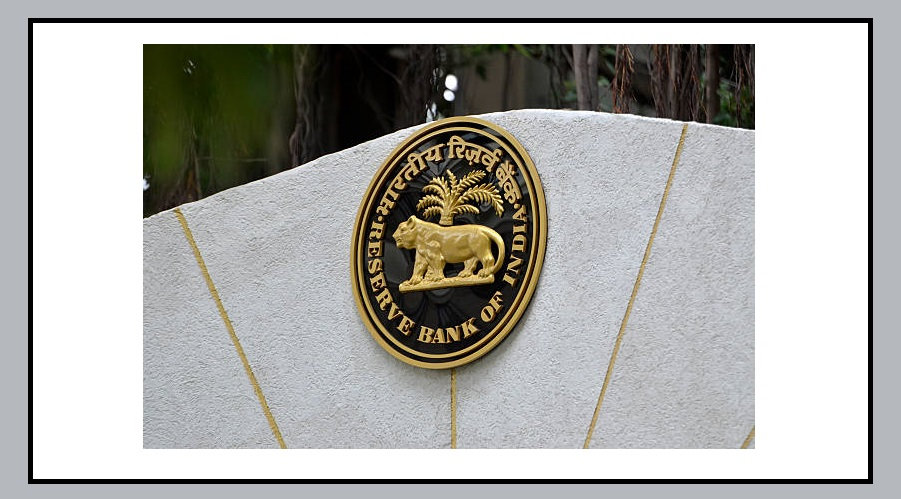

In a major push for the cooperative banking sector, the Reserve Bank of India (RBI), along with the central government, has announced a fresh set of reforms.
The goal is clear — make cooperative banks stronger, more reliable, and more digitally connected.
These steps are expected to improve credit flow, boost depositor confidence, and expand financial services in rural and semi-urban India.
Here’s what has changed.
Big Boost for Cooperative Lending
One of the biggest announcements is related to priority sector lending (PSL).
Banks that lend money to the National Cooperative Development Corporation (NCDC) — which then lends to cooperative societies — can now count those loans as priority sector lending.
This benefit applies to loans sanctioned on or after January 19, 2026.
In simple terms, banks now have more incentive to fund NCDC-backed projects while meeting their mandatory PSL targets.
NCDC plays a key role in supporting sectors like:
Agriculture
Dairy
Fisheries
Rural industries
With this change, cooperative societies may find it easier and cheaper to access credit.
However, this rule applies to most banks except Regional Rural Banks, Urban Cooperative Banks, Small Finance Banks, and Local Area Banks.
Relief and Expansion for Urban Cooperative Banks
Urban Cooperative Banks (UCBs) have also received major relaxations.
They are now allowed to open new branches. This could expand their reach and improve access for customers.
In another big move, the housing loan limit for UCBs has been raised sharply — from 10% to 25% of their total loans and advances.
This means UCBs can now play a larger role in urban housing finance.
To improve governance, the Banking Regulation Act has been amended.
The maximum tenure of directors on cooperative bank boards has been increased from eight years to ten years.
This is expected to bring more stability and continuity in decision-making.
Strong Push for Digital Inclusion
Digital access is another major focus area.
The licensing fee for cooperative banks to join the Aadhaar-enabled Payment System (AePS) has been reduced. This makes it easier for them to offer digital payment services.
To further support technology upgrades:
The National Urban Co-operative Finance and Development Corporation Limited (NUCFDC) has been set up as an umbrella body for Urban Cooperative Banks.
It will provide IT infrastructure and operational support.
A Shared Services Entity called Sahakar Sarthi has been created to help Rural Cooperative Banks with technology and operations.
Rural Cooperative Banks have also been included in the RBI’s Integrated Ombudsman Scheme, strengthening customer grievance redressal.
Better Deposit Protection and Regulation
Depositors also get added protection.
The Deposit Insurance and Credit Guarantee Corporation (DICGC) continues to insure deposits up to Rs 5 lakh per depositor per bank, including both principal and interest.
Overall, these reforms aim to improve financial health, strengthen governance, enhance digital services, and ensure safer deposits in cooperative banks.
With easier credit, stronger oversight, and better technology support, cooperative banks may soon play a bigger role in driving growth, especially in rural and semi-urban India.