

Have you ever visited a bank for a simple task and later discovered you were signed up for an insurance policy or investment product you never really wanted?
You’re not alone.
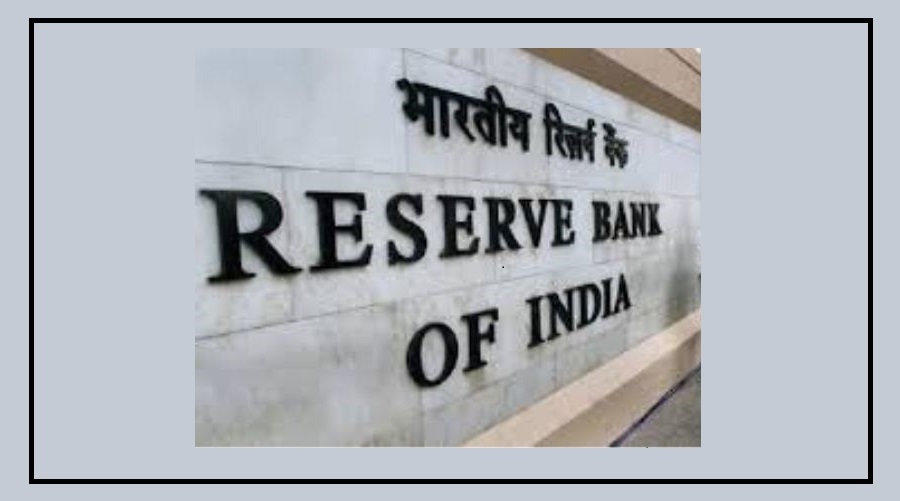
Now, the Reserve Bank of India (RBI) is stepping in with new draft guidelines that could completely change how banks sell financial products.
If implemented, these rules will come into effect from July 1, 2026 — and they could finally put customers first.
Here’s what it means for you.
Banks Must Prove the Product Is Right for You
For the first time, the RBI is making “suitability” a legal requirement.
This means banks cannot simply sell you insurance, mutual funds, credit cards or investment products without checking if they actually fit your profile.
Before offering a product, banks must now consider:
Your income
Your age
Your financial knowledge
Your risk-taking ability
If a product does not match your profile and is still sold to you, it will officially count as mis-selling.
Earlier, aggressive sales tactics often went unchecked.
Under the new rules, that approach won’t be acceptable.
What Exactly Counts as Mis-Selling?
The RBI has clearly defined what banks can no longer do.
Mis-selling will include:
Selling unsuitable products
If the product does not match your financial goals, income level or risk appetite.
Giving misleading or incomplete information
If key details like charges, lock-in periods or risks are hidden or poorly explained.
Forced bundling
If you are pressured to buy insurance or another product to get a loan or service.
Deceptive online tricks
Using confusing app designs or “dark patterns” to push you into clicking “yes.”
No clear consent
Pre-ticked boxes or bundled approvals will not count as valid consent anymore.
Here’s the most important part:
If mis-selling is proven, banks may have to refund the full amount and compensate you for losses.
Banks Will Be Responsible for Their Agents
Often, products are sold inside bank branches by third-party agents who are not actual bank employees.
Many customers don’t even realise this.
Under the new guidelines, banks will be fully responsible for the actions of these agents.
They must:
Publish a list of authorized agents
Ensure proper training
Clearly show that these individuals are not direct bank staff
This closes a major loophole that previously allowed blame to shift between banks and agents.
When Will the Rules Apply?
The draft guidelines are open for public feedback until March 4, 2026.
After that, the final rules are expected to take effect from July 1, 2026.
Before the deadline, banks will need to:
Update internal policies
Retrain sales teams
Redesign digital platforms
Review how products are marketed
For millions of customers, this could be one of the biggest consumer protection reforms in recent years.
If implemented strictly, surprise add-ons and forced insurance policies could soon become a thing of the past.