
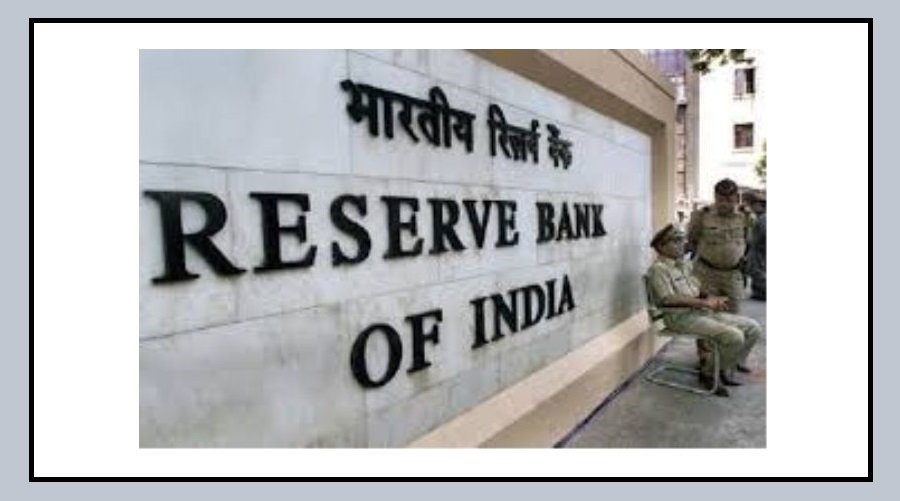

The Reserve Bank of India (RBI) has permanently cancelled the banking licence of Shimsha Sahakara Bank Niyamitha, a cooperative bank located in Mandya district in Karnataka.
After a long legal dispute in court, the decision has now become final.
This means the bank must stop all banking activities immediately, and its branches will no longer be able to operate as a bank.
How the Dispute Started
The issue began on July 5, 2024, when the RBI first cancelled the bank’s licence.
At that time, the regulator ordered the bank to stop all banking operations.
However, the bank challenged this decision in the Karnataka High Court.
As a result, the court issued an interim stay order on July 25, 2024, temporarily stopping RBI’s action.
Because of this stay, the restrictions on the bank were extended multiple times, with the latest extension running until May 24, 2026.
The Court’s Final Decision
A major turning point came on February 17, 2026.
On this day, the Karnataka High Court dismissed the bank’s petition after it was withdrawn.
Once the petition was dismissed, the earlier RBI order issued in July 2024 automatically came back into effect.
This made the cancellation of the bank’s licence final and permanent.
What the Bank Cannot Do Now
After the licence cancellation, several strict restrictions apply to the bank under the Banking Regulation Act, 1949.
The bank can no longer:
Accept new deposits from customers
Allow customers to withdraw money through normal banking services
Conduct financial transactions or use the word “banking” in its operations
In simple terms, the bank is no longer allowed to function as a bank, and its services for customers have been stopped immediately.
What This Means for Customers
Whenever a bank’s licence is cancelled, the biggest concern is about customers’ deposits.
In such cases, the bank’s assets are usually reviewed and managed through a liquidation process.
A liquidator may be appointed to handle the bank’s finances and settle payments.
Depositors are protected under the insurance rules of the Deposit Insurance and Credit Guarantee Corporation (DICGC).
According to these rules, deposits up to ₹5 lakh per customer are insured, which means eligible customers can get their money back up to that limit.
Why RBI Took This Step
Regulators take strict action like licence cancellation to maintain stability and discipline in the banking sector.
Although this decision may affect many local customers in areas like Maddur and Mandya, experts say such action is necessary to ensure that only financially stable and well-regulated banks continue to operate.
The case also highlights how regulatory authorities closely monitor banks to protect the interests of depositors and maintain trust in the financial system.