
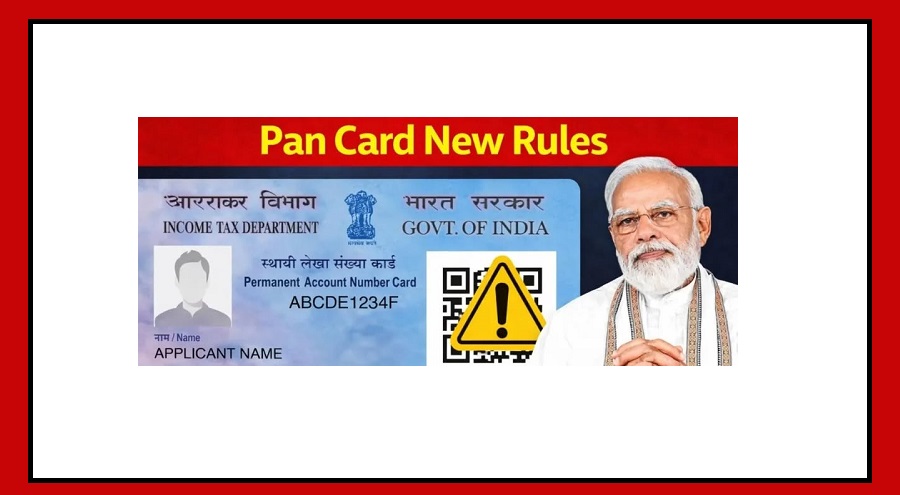

From April 1, 2026, the government is bringing major changes to PAN card rules under the new Income Tax system.
These changes will directly affect how you spend, invest, and make big purchases like houses, cars, or even pay hotel bills.
The aim is simple: make small expenses easier and track large transactions more strictly.
This means less hassle for daily spending, but more transparency for high-value deals.
Why Are These PAN Rules Changing?
The government wants to improve how financial transactions are monitored.
The focus is on:
Keeping a closer watch on big transactions
Making the tax system more data-driven
Giving relief in small, everyday expenses
In short, you will face less trouble for small payments but stricter checks on big spending.
Key Changes at a Glance
Here are the major updates you should know:
Cash transaction rules have changed
Buying vehicles will now follow value-based limits
Hotel and event payment limits increased
Property deal limits doubled
Insurance rules made stricter
1. Cash Transactions: Yearly Limit Matters Now
New Rule:
If your total cash deposit or withdrawal crosses ₹10 lakh in a year, PAN is required.
Earlier:
PAN was needed for transactions above ₹50,000 per day.
What it means:
You don’t need to show PAN for small daily transactions anymore, but your total yearly cash usage will be tracked.
2. Buying Car or Bike: Relief for Small Buyers
New Rule:
PAN is required only if the vehicle price is above ₹5 lakh.
Earlier:
PAN was needed for every vehicle purchase.
Benefit:
People buying cheaper vehicles will face less paperwork.
3. Hotel Bills & Events: Limit Increased
New Rule:
PAN is needed only if the bill exceeds ₹1 lakh.
Earlier:
The limit was ₹50,000.
Impact:
Big spending on weddings, parties, or luxury stays will now be tracked more carefully.
4. Property Deals: Biggest Change
New Rule:
PAN is mandatory for property deals above ₹20 lakh.
Earlier:
The limit was ₹10 lakh.
Impact:
Real estate transactions will now be more transparent, helping reduce tax evasion.
5. Insurance Rules: Now Fully Tracked
New Rule:
PAN is required as soon as you start any policy with an insurance company.
Earlier:
PAN was needed only if the premium exceeded ₹50,000.
Meaning:
Now, every insurance policy will be linked and monitored.
Who Will Benefit and Who Will Be Affected?
Salary class & middle class: Less hassle in small transactions
Digital users: More benefits as digital payments increase
High cash users: Will face stricter monitoring
Real estate investors: More scrutiny in big deals
What This Means for You
PAN is no longer just a document. It is now your financial identity.
Small expenses become easier
Large transactions will be tracked closely
Cash usage may need to be reduced
What You Should Do Now
Check if your PAN is linked with Aadhaar
Make sure your PAN is active
Understand limits before making big purchases
Prefer digital payments over cash
These changes may look complex, but they are designed to create a simpler and more transparent financial system for everyone.