
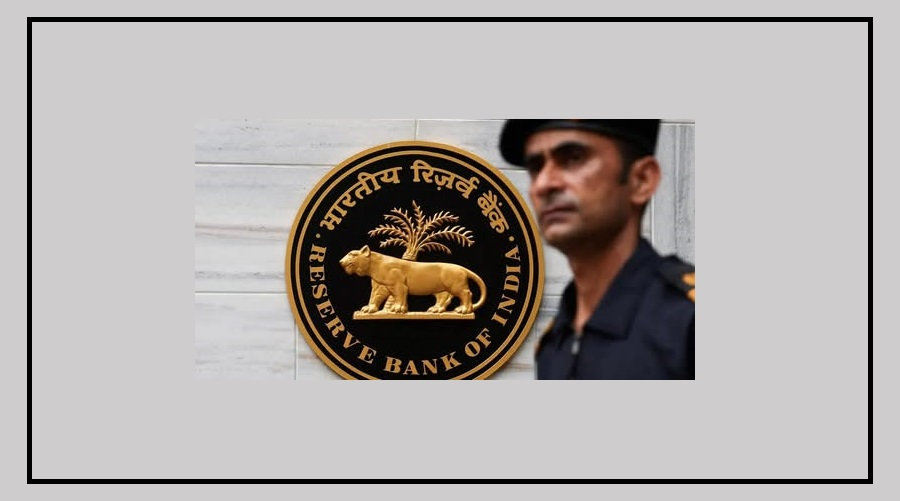

The Reserve Bank of India (RBI) has decided to keep the repo rate unchanged at 5.25% on April 8.
This means the central bank is continuing its pause on changing interest rates.
Why the pause? The RBI is taking a careful and balanced approach.
While inflation within India remains stable, global factors like geopolitical tensions and fluctuating commodity prices are creating uncertainty.
So, instead of making any sudden moves, the RBI is choosing to wait and watch.
What This Means for FD Investors
If you invest in Fixed Deposits (FDs), this decision is important for you.
When the repo rate stays the same, banks usually don’t change their FD interest rates.
Since lending and deposit rates are linked to the policy rate, there is no immediate reason for banks to revise FD returns.
In simple terms:
Your FD returns are likely to remain stable
Don’t expect big increases in interest rates anytime soon
Most banks have already adjusted their rates earlier, so further hikes look unlikely in the near future.
FD Interest Rates: Where Do They Stand?
FD rates currently vary depending on the bank and tenure.
Private banks and NBFCs are offering slightly higher interest rates
Public sector banks are offering more stable but slightly lower returns
Senior citizens continue to get extra benefits, usually 0.25% to 0.75% more
Here’s a quick snapshot (1–2 year tenure):
Public Sector Banks
Bank of India: 6.60%
Bank of Baroda: 6.60%
Canara Bank: 6.60%
Union Bank: 6.60%
State Bank of India: 6.45%
Private Banks
RBL Bank: 7.20%
Bandhan Bank: 7.00%
IndusInd Bank: 7.00%
Yes Bank: 7.00%
Kotak Mahindra Bank: 6.70%
Should You Stick to FDs or Explore Other Options?
Fixed Deposits are still a safe and reliable choice, especially if you prefer low-risk investments.
However, since returns are expected to stay stable, some investors may consider other options like:
Corporate FDs
Debt mutual funds
Government securities
Keep in mind: these options can offer better returns, but they also come with higher risk or lower liquidity.
The Bottom Line
There’s no urgent need to change your strategy.
If you value safety and predictable returns, FDs remain a solid choice.
But if you’re willing to take some risk for potentially higher gains, it might be worth exploring alternatives.