
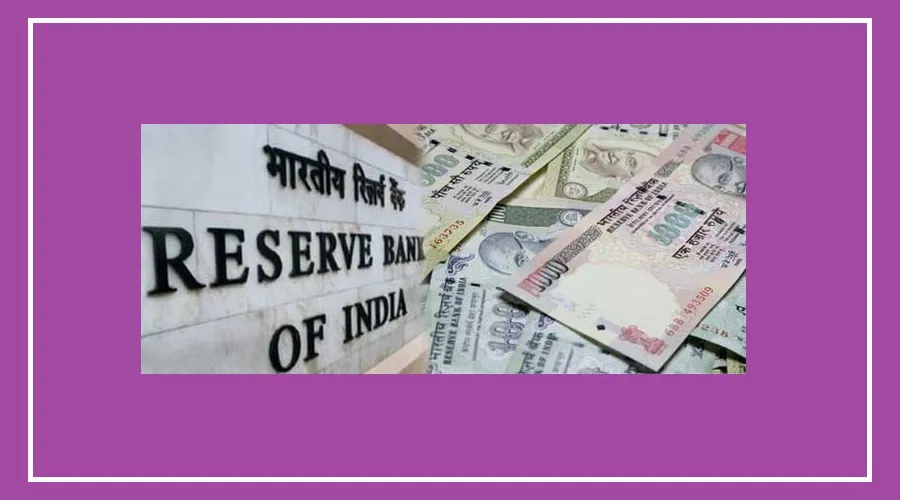
If you still have Rs 2,000 notes at home, there’s no need to worry.
The Reserve Bank of India (RBI) has confirmed that these notes continue to be legal tender, even though they have been withdrawn from active circulation.
The Rs 2,000 note was officially withdrawn in May 2023 to improve the availability of smaller denominations, as it was rarely used for everyday transactions.
Importantly, this was not demonetisation—the notes remain valid, and there is no penalty for holding them.
Contents
Why You Might Face Acceptance Issues
RBI data shows that over 98% of Rs 2,000 notes have already returned to the banking system.
While shops and businesses can legally accept these notes, many retailers are hesitant to do so because banks no longer issue them.
This means that while your Rs 2,000 note is valid, it may not be convenient for daily transactions.
How to Exchange or Deposit Rs 2,000 Notes Now
Even though commercial banks stopped accepting these notes for deposit after October 7, 2023, there are still official ways to exchange or deposit them:
RBI Issue Offices
You can visit any RBI Issue Office in India to deposit Rs 2,000 notes directly into your bank account.
Standard banking procedures and ID verification will apply.
India Post Facility
You can also send Rs 2,000 notes via India Post to an RBI Issue Office.
Once verified, the amount will be credited to your bank account.
These channels remain open for those who missed the earlier deadline.
Key Points to Remember
Holding Rs 2,000 notes is completely legal
The notes remain valid currency
Regular banks no longer accept them
RBI Issue Offices and India Post are the official channels for exchange or deposit
Bottom Line
The Rs 2,000 note is still valid, but it’s no longer in active circulation.
Most notes have already returned to banks, but anyone still holding them can deposit or exchange them through RBI-authorized channels.
For convenience, it’s best to convert them into smaller denominations when possible.