
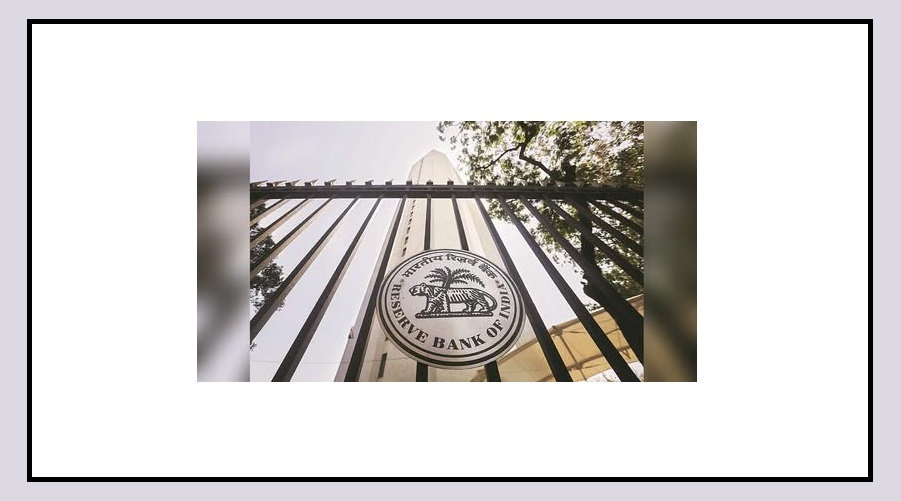
With complaints about banks and financial services on the rise, the Reserve Bank of India (RBI) is introducing strict rules to curb mis-selling.
These rules are expected to come into effect in July 2026.
Under the new guidelines, if a customer feels they were misled while buying a financial product, they can file a complaint.
If the complaint is verified, the bank must refund the full amount and compensate for any losses.
What Is Mis-Selling and How Does It Happen?
‘Mis-selling’ happens when a bank sells a product by giving false information or selling something unsuitable for the customer.
This usually occurs when employees are under pressure to meet sales targets or earn commissions.
Common examples include:
Selling a ULIP to someone looking for a safe fixed deposit
Adding insurance to a loan without proper explanation
Offering long-term policies to elderly customers
Often, customers are told only about the benefits, while risks and conditions are hidden.
How the New Rules Protect Customers
Under the new RBI rules:
Banks must have a clear complaint system.
Customers can complain within 30 days if they were misled.
Banks will refund the full amount and compensate for any losses if mis-selling is confirmed.
Employees will not receive incentives for selling third-party products.
Customer feedback must be collected within 30 days of purchase, and reports prepared every six months to improve transparency.
These measures aim to reduce pressure on employees and protect customers from misleading practices.
Why Customers Should Be Careful
Revenue from third-party products, like insurance and mutual funds, has increased significantly in recent years.
For instance, State Bank of India (SBI) earned thousands of crores in commissions from these products in 2024-25.
Finance Minister Nirmala Sitharaman has urged banks to focus on their core functions—deposits and loans. Customers are advised to:
Read all documents carefully before buying any product
Ask for written details instead of relying on verbal promises
File complaints on bank websites or with the Insurance Ombudsman if misled
With these rules in place, buying financial products is expected to become safer and more transparent for everyone.