
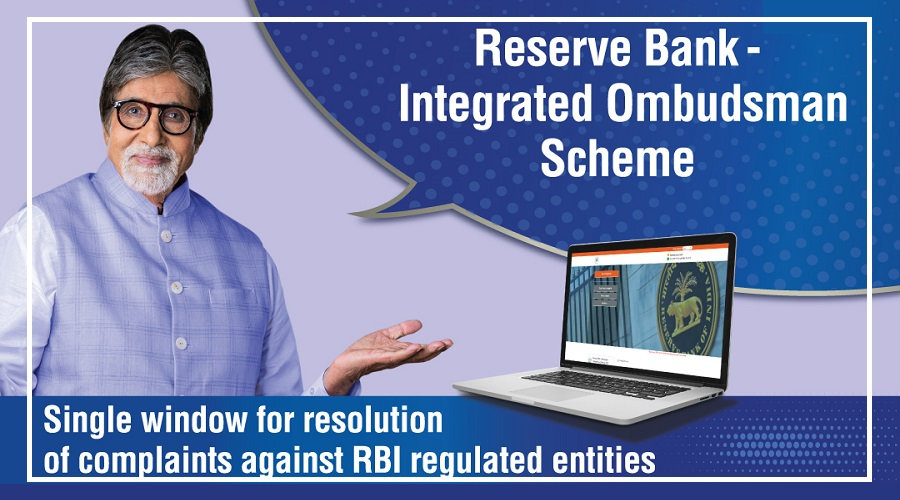
The Reserve Bank of India has introduced an important reform to improve how banks and financial companies handle customer complaints.
Under the new rule, all banks and NBFCs must appoint an Internal Ombudsman.
The goal is to ensure that customer complaints are taken seriously and resolved on time, instead of being ignored or closed without proper review.
This step is expected to bring more transparency and fairness to the complaint-handling process across the financial sector.
Contents
What Is the Internal Ombudsman System?
The Internal Ombudsman will act as an independent authority within the bank or NBFC.
Their role is to review complaints that are either partially resolved or rejected by the company.
This gives customers an extra layer of protection and a chance for a high-level review without having to immediately approach external authorities.
The RBI believes this system will make grievance redressal stronger and more effective.
New Rules for Appointing an Internal Ombudsman
The RBI has set strict eligibility criteria for appointing an Internal Ombudsman.
Only professionals with at least seven years of experience can be selected.
They must have expertise in areas such as banking, NBFC operations, regulation, supervision, payment systems, credit information, or consumer protection.
Former senior officers who have held positions equivalent to a General Manager at the RBI or other financial regulators are also eligible.
Every regulated entity must appoint at least one Internal Ombudsman.
Which Institutions Will Follow These Rules?
The new directive applies to a wide range of financial institutions.
These include commercial banks, small finance banks, payment banks, NBFCs, prepaid payment instrument issuers, and credit information companies.
By covering all major segments, the RBI aims to create a uniform and transparent complaint resolution process across the entire financial system.
RBI to Closely Monitor Complaint Handling
Customer service and grievance redressal systems will now come under the supervision of the RBI’s Department of Supervision.
This means banks and NBFCs that fail to address complaints properly could face direct regulatory scrutiny.
This move is expected to increase accountability and strengthen public trust in the banking system.
Final Rules Now in Force
In October 2025, the RBI released a draft of the Internal Ombudsman guidelines and invited feedback from the public and stakeholders.
After reviewing the suggestions, the final Master Direction has now been implemented.
This clearly shows the RBI’s focus on protecting customer interests and making the financial system more customer-friendly.
Overall, the mandatory appointment of an Internal Ombudsman is a strong step towards better complaint resolution.
It gives customers more confidence that their issues will be heard and resolved fairly, helping to build long-term trust in banks and NBFCs.