
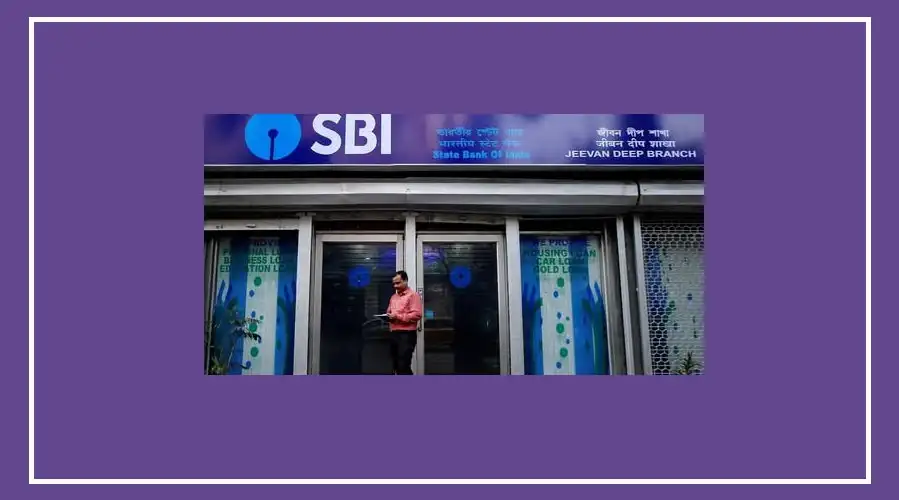

SBI Lending Rates Hiked from October 15, 2026, bringing higher borrowing costs for customers with loans linked to the bank’s revised interest rate benchmarks.
State Bank of India (SBI) has increased its Marginal Cost of Funds-Based Lending Rates (MCLR) by 15 basis points on five loan tenures, while overnight and one-month rates remain unchanged.
The revision follows the Reserve Bank of India’s recent 25-basis-point repo rate hike.
SBI has also raised its External Benchmark Linked Lending Rate (EBLR) and Repo Linked Lending Rate (RLLR), which could increase repayments for borrowers whose loans are linked to these benchmarks.
However, not every SBI customer will immediately see a higher equated monthly instalment (EMI). The actual impact depends on the loan’s interest rate benchmark, reset date, outstanding balance and repayment terms.
SBI Lending Rates Hiked: Check the New MCLR Rates
The revised MCLR rates took effect on October 15, 2026. SBI increased rates across five loan tenures, with the changes ranging from three months to three years.
The overnight and one-month MCLR rates remain at 7.85%. The three-month rate has increased from 8.25% to 8.40%, while the six-month rate has risen from 8.60% to 8.75%.
The one-year MCLR has moved from 8.70% to 8.85%. Similarly, the two-year rate has increased from 8.75% to 8.90%, and the three-year rate has risen from 8.80% to 8.95%.
These revisions represent an increase of 0.15 percentage points, or 15 basis points, for each affected tenure. Borrowers whose loans are linked to the revised rates should check their loan agreements to understand when the changes will apply.
Will Your SBI Home Loan EMI Increase?
Borrowers with home loans linked to MCLR could face higher interest costs when their loans reach the next applicable interest rate reset date.
Depending on the outstanding principal and remaining repayment period, the revision may result in a higher EMI or a longer repayment period, depending on the bank’s applicable terms.
However, the increase will not necessarily affect every borrower immediately. The timing and extent of the change depend on the loan’s benchmark, contractual reset schedule and repayment conditions.
For example, a borrower whose loan is linked to the one-year MCLR may experience a change when the applicable annual reset takes place.
Customers with loans linked to overnight or one-month MCLR will not be affected by an increase in those particular rates because SBI has kept both unchanged.
SBI customers should review their latest loan statements and contact the bank if they need clarification about their applicable interest rate or upcoming reset date.
SBI Also Revises EBLR and RLLR
Alongside the MCLR changes, SBI has revised its External Benchmark Linked Lending Rate (EBLR) and Repo Linked Lending Rate (RLLR), effective October 15, 2026.
The EBLR has increased from 7.90% plus the applicable Credit Risk Premium (CRP) and Bank Spread (BSP) to 8.15% plus those components. The RLLR has risen from 7.50% plus CRP to 7.75% plus CRP.
These benchmarks are important for borrowers whose loan interest rates are linked to them. When the applicable benchmark increases, the interest rate charged on a linked loan may also rise according to the loan’s terms.
Customers should distinguish between MCLR-linked loans and loans linked to external benchmarks. The applicable lending rate and the bank’s reset rules determine how a rate revision affects an individual account.
Why the RBI Repo Rate Matters for Borrowers
The SBI revision follows the Reserve Bank of India’s 25-basis-point increase in the repo rate.
The repo rate influences the cost at which banks obtain short-term funds from the central bank and can affect lending rates across the banking system.
However, changes in the repo rate do not affect every loan in exactly the same way. The outcome depends on the benchmark used for the loan and the bank’s applicable pricing and reset arrangements.
For existing borrowers, the key step is to identify whether the loan is linked to MCLR, EBLR, RLLR or another applicable benchmark.
This will help them understand whether the latest revision could affect their monthly repayments.
With SBI’s revised lending rates now in effect, borrowers should check their current interest rate, remaining loan tenure and next reset date before estimating any additional financial burden.