
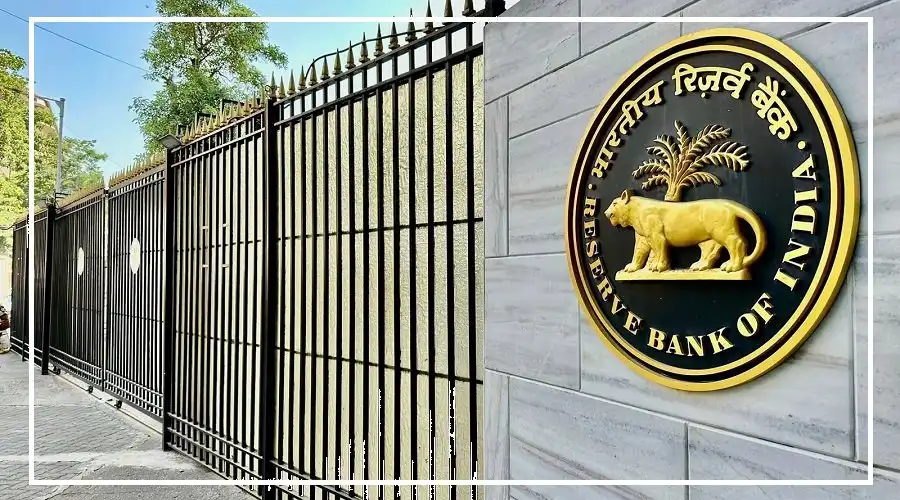

RBI Repo Rate Hike expectations have shifted towards a smaller increase in December, with SBI Research now predicting a 25 basis point rise instead of the sharper 50 basis point hike it had earlier anticipated.
The revised forecast comes as pressure on the rupee, liquidity conditions and the global economic environment shows signs of easing.
According to the SBI Research report, there is also a 50 per cent possibility that the final repo rate in the current tightening cycle could be 5.75 per cent instead of 6 per cent.
The Reserve Bank of India (RBI), however, will take its decision after assessing inflation and other economic indicators.
RBI Repo Rate Hike: Why a 25 BPS Increase Is Expected
SBI Research said recent developments have changed the outlook for the December monetary policy meeting.
Although inflation remains a concern, improved currency conditions, stronger foreign investment flows and easing liquidity pressures have reduced the likelihood of a larger rate adjustment.
The report noted that the Indian rupee had moved back below ₹94 against the US dollar following measures taken by the RBI to manage volatility.
It also highlighted an improvement in banking system liquidity.
The call money rate, which had climbed to around 5.8 per cent during the last week of October, subsequently declined below the marginal standing facility rate of 5.44 per cent.
This indicates that short-term liquidity pressures have eased.
Inflation Remains a Major Concern for the RBI
Despite the more moderate rate-hike forecast, inflation remains an important challenge for policymakers.
India’s Consumer Price Index (CPI) inflation rose to 6.09 per cent in October, crossing the RBI’s upper tolerance limit of 6 per cent under the new CPI series.
SBI Research expects inflation to remain above 6 per cent in November before gradually moderating.
This means the central bank may still need to tighten monetary policy to prevent price pressures from becoming more widespread.
The October inflation increase also came after the RBI raised the repo rate by 25 basis points to 5.50 per cent.
That was the first increase in nearly four years, and the central bank had indicated that further action could depend on how inflation develops.
Foreign Investment and Lower Oil Prices May Offer Relief
The improvement in foreign capital flows is another factor supporting SBI Research’s revised outlook.
The report said foreign institutional investors had brought approximately $7.65 billion into Indian markets since November 6.
A correction in global artificial intelligence-related valuations could also make Indian markets relatively more attractive to overseas investors.
Higher foreign investment may help support the rupee and reduce pressure on domestic financial markets.
Crude oil prices are another important factor. SBI Research pointed to the possibility of reduced tensions between the United States and Iran, which has improved expectations for energy prices.
The report said crude oil had declined around 11 per cent since the US election and could average approximately $87.
Lower crude prices could provide some relief to India because the country depends heavily on imported oil. A reduction in energy costs may also help ease inflationary pressure over time.
What Could Happen After the December Policy Meeting?
SBI Research expects the repo rate to settle around 6 per cent, while assigning an equal 50 per cent probability to a lower terminal rate of 5.75 per cent.
It also believes expectations of three to four consecutive rate increases have become less likely.
The report does not consider another rate hike in February advisable, particularly because of the proximity to the Union Budget.
It expects the RBI to adopt a more data-dependent approach after the December decision.
However, this is an economic forecast from SBI Research and not an announcement by the central bank.
The RBI’s Monetary Policy Committee will make the final decision based on inflation, growth, currency movements and broader financial conditions.