
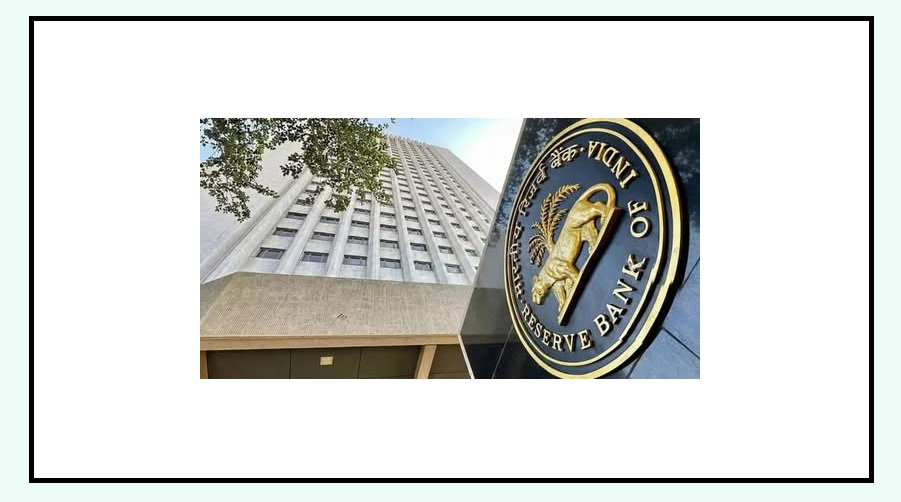
Small businesses in India may soon find it easier to access working capital.
The Reserve Bank of India (RBI) has announced new measures to simplify the rules for businesses using the Trade Receivables Discounting System (TReDS) platform.
The move is aimed at helping Micro, Small and Medium Enterprises (MSMEs) get quicker access to funds and improve their cash flow.
What Is TReDS and Why Is It Important?
TReDS is an online platform that allows MSMEs to convert unpaid invoices into immediate cash.
Instead of waiting for customers to clear payments, businesses can sell their trade receivables or invoices to banks and financial institutions through the platform and receive funds quickly.
This helps small businesses manage their day-to-day expenses and maintain smooth operations.
RBI Relaxes Onboarding Rules
To encourage wider participation, RBI has relaxed the onboarding requirements for small businesses on TReDS platforms.
At the same time, the regulator has introduced safeguards to ensure that only genuine MSMEs benefit from the system.
Under the new guidelines, TReDS platforms must verify that the seller is an MSME before processing transactions.
They must also ensure that payments are credited directly to the seller’s bank account.
Credit Guarantee Cover to Benefit Financiers
RBI has also proposed allowing financiers to obtain credit guarantee protection for the funds they provide through TReDS.
This could encourage more banks and financial institutions to participate on the platform, potentially increasing the availability of financing for small businesses.
The regulator is also planning to align capital requirements for TReDS operators with those applicable to other non-bank payment system operators.
New Net Worth Requirement for TReDS Operators
According to the revised rules, any company seeking to operate a TReDS platform must maintain a minimum net worth of Rs 25 crore.
Existing operators that do not currently meet this requirement have been given time until March 31, 2028, to comply with the new norm.
This step is expected to strengthen the financial stability of TReDS platforms and improve confidence in the system.
Faster and Smoother Transactions
The RBI has directed TReDS platforms to ensure quick and seamless settlement of transactions.
This includes smooth payment transfers between financiers and sellers when invoices are financed, as well as between buyers and financiers when payments become due.
The settlements can be carried out through any authorized payment system.
Why RBI Is Focusing on MSMEs
MSMEs play a crucial role in India’s economy.
They generate employment, support industrial growth, and contribute significantly to economic development.
However, one of the biggest challenges faced by small businesses is delayed payments and limited access to timely financing.
RBI said that many MSMEs struggle to convert outstanding invoices into liquid funds, which can affect business operations and growth.
The TReDS platform was introduced to solve this problem by helping businesses unlock funds tied up in unpaid invoices.
With the latest reforms, the central bank hopes to make the platform more effective, accessible, and beneficial for MSMEs across the country.