
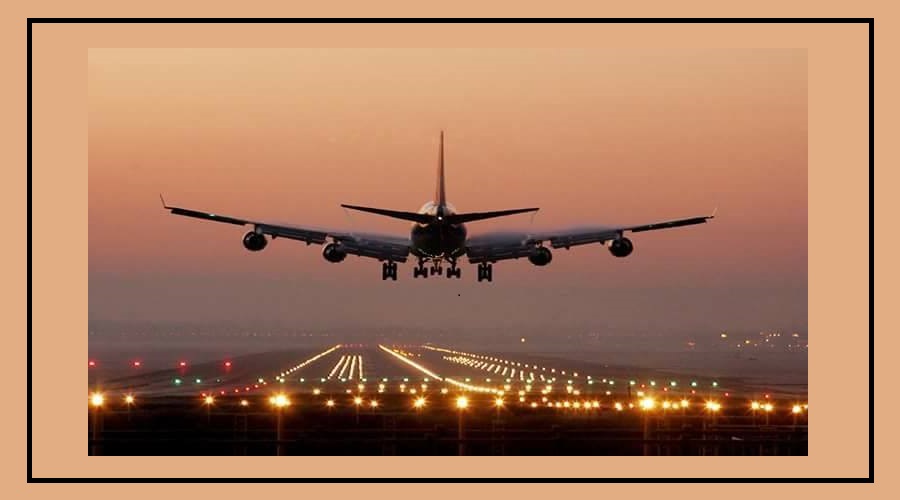

Air travel could become more expensive in the coming months. According to a recent McKinsey report, flight ticket prices may rise by up to 25% as airlines face higher fuel costs.
The report says growing geopolitical tensions and refinery-related supply issues are putting pressure on the global jet fuel market.
Since fuel is one of the biggest expenses for airlines, any increase in fuel prices can directly affect ticket prices.
Jet Fuel Demand Is Rising Faster Than Supply
Demand for jet fuel has started increasing even before the peak summer travel season. At the same time, fuel inventories are falling, creating a supply-demand imbalance.
Another major reason is the recent rise in crude oil prices. In addition, several oil-exporting countries have reduced supplies, making jet fuel more expensive for airlines.
The Gulf region and major Asian exporters together provide around 40% of the world’s jet fuel. However, refinery production in these regions has declined, adding to supply concerns.
What Is Crack Spread?
The difference between the price of crude oil and the price of refined fuels such as petrol, diesel, and jet fuel is known as the “crack spread.”
According to McKinsey, the crack spread for jet fuel has historically remained below $20 per barrel. However, it is expected to cross $50 per barrel on average by 2026, showing how much refining costs have increased.
Experts say fuel prices could get some relief if tanker traffic through the Strait of Hormuz improves. However, prices are expected to remain volatile until fuel stocks are rebuilt and supply chains stabilize.
Why Production Cannot Increase Quickly
Asian countries may also struggle to fill the jet fuel gap in the short term.
Following recent geopolitical conflicts, countries such as China, India, and South Korea have partially restricted oil exports. While other exporters may increase supplies, they may not be able to fully cover the shortage.
Adding to the challenge, many refineries around the world were already operating near full capacity before the crisis, leaving little room for a rapid increase in production.
How Could This Affect Flight Tickets?
The report notes that current fuel inventories are being used heavily to meet demand. Even if refineries increase production, it could take several months for fuel supplies to return to normal levels.
Fuel accounts for nearly 30% of an airline’s operating costs. As a result, airlines may pass higher fuel expenses on to passengers through increased ticket prices.
Experts believe airfares could rise by around 20% to 25% if jet fuel prices continue to climb.
Example: Delhi to Dubai Travel Cost
A round-trip flight between Delhi and Dubai currently costs around ₹25,000 to ₹28,000 per person.
If four people travel together, the total airfare is roughly ₹1 lakh. However, if ticket prices rise by 25%, the same trip could cost around ₹1.25 lakh, increasing travel expenses significantly for families and groups.