
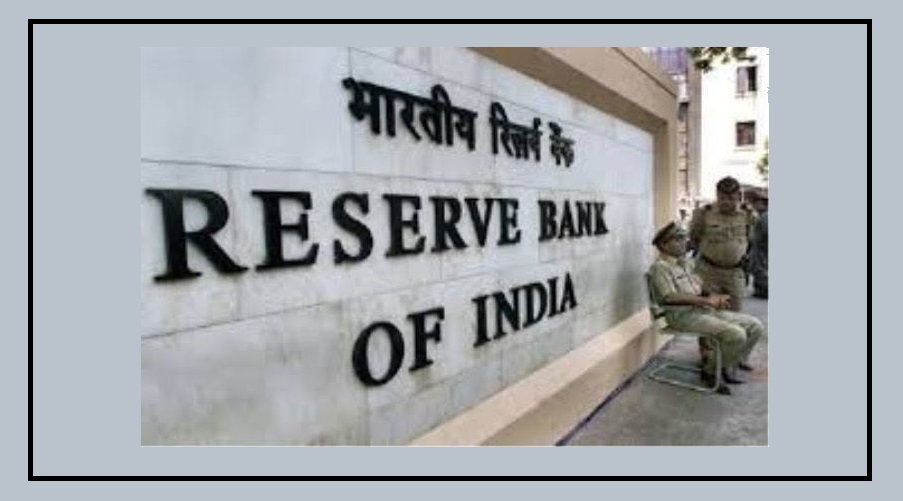
The Reserve Bank of India (RBI) has updated its Integrated Ombudsman Scheme, 2026, which came into effect on July 1.
The revised rules are designed to make customer complaints easier to file and faster to resolve.
The new framework introduces a shorter complaint filing deadline, higher compensation limits, and a simpler appeal process.
If you have a complaint related to a bank, NBFC, digital payment service, or credit information company, here are the key rules you should know.
You Must First Complain to Your Bank
Customers cannot approach the RBI Ombudsman directly.
Before filing a complaint with the RBI, you must first raise the issue with your bank, NBFC, payment service provider, or any other RBI-regulated financial institution.
If the institution fails to resolve your complaint within the prescribed time or you are not satisfied with its response, only then can you approach the RBI Ombudsman.
Complaints filed without first contacting the concerned institution may be rejected.
New 90-Day Deadline to File a Complaint
The RBI has reduced the time limit for filing complaints.
Under the new rules, customers must approach the RBI Ombudsman within 90 days of receiving the final response from the financial institution.
If no reply is received, the complaint must be filed within 90 days after the institution’s response period ends.
Missing this deadline could result in your complaint not being accepted.
Higher Compensation for Eligible Complaints
If the Ombudsman finds that the financial institution was at fault, compensation may be awarded.
Under the revised scheme:
Customers can receive up to ₹30 lakh for financial losses caused by the institution.
They can also receive up to ₹3 lakh for harassment, mental stress, time lost, and related expenses.
The final compensation will depend on the facts of each case.
Use the RBI’s CMS Portal for Faster Processing
The RBI accepts complaints through online, email, and post, but it recommends using the Complaint Management System (CMS) portal.
The CMS portal provides instant acknowledgement, allows customers to track their complaint, and generally speeds up the process.
While filing the complaint, customers should also attach a copy of the complaint submitted to the bank or financial institution along with its response, if available.
You Can Appeal the Ombudsman’s Decision
If you are not satisfied with the Ombudsman’s order, you have the right to appeal.
The appeal can be filed before the designated Appellate Authority within the time limit specified under the scheme.
The authority will review the case and decide whether any changes are required.
Which Financial Institutions Are Covered?
The RBI’s Integrated Ombudsman Scheme covers most RBI-regulated financial entities, including:
Scheduled Commercial Banks
Small Finance Banks
Payments Banks
Eligible NBFCs
Prepaid Payment Instrument (PPI) issuers
Credit Information Companies
Other financial entities notified by the RBI
The scheme follows the “One Nation, One Ombudsman” approach, which means complaints are handled without considering the customer’s or institution’s location.
How Can You File a Complaint?
Customers can submit complaints through any of the following methods:
RBI’s Complaint Management System (CMS) portal
Email to the Centralised Receipt and Processing Centre (CRPC)
Post or courier to the CRPC
The RBI also provides assistance through its toll-free helpline 14448, which offers support in multiple Indian languages.
The revised Ombudsman Scheme aims to make complaint resolution faster and more transparent.
To avoid delays, customers should first contact their financial institution, keep all relevant documents safely, and remember the new 90-day filing deadline.