
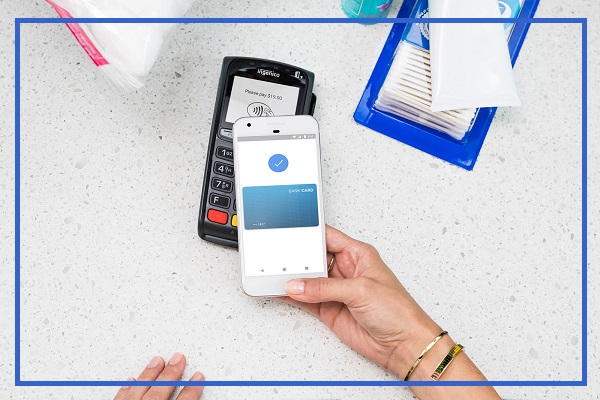
In India today, it is hard to find someone who does not have a UPI (Unified Payments Interface) app on their phone. From small tea stalls to large shopping malls, people make payments within seconds using apps like Paytm, PhonePe and Google Pay.
For users, these payments feel completely free. You simply scan a QR code and the money is transferred instantly without any extra charges. But have you ever wondered how these billion-dollar companies earn money if they are not charging users?
The truth is that their business model is very smart. In many ways, users themselves become part of the product that helps these companies generate revenue.
Commission From Recharges and Bill Payments
One of the biggest sources of income for UPI apps is commissions from bill payments and recharges.
Whenever you use these apps to recharge your mobile number, pay your electricity bill, book a gas cylinder or recharge your DTH service, the app earns a commission from the service provider. Even though you pay exactly the same amount, such as ₹500 for a recharge, the telecom company or service provider shares a small portion of that payment with the app.
Recently, some platforms have also started adding a small “platform fee” of around ₹1 to ₹2 on certain services. While this amount may seem tiny for one transaction, it becomes a huge source of income when millions of users make payments every day.
Earnings From Merchants and Soundbox Devices
Another major revenue stream comes from merchants and businesses.
You may have seen small speaker-like devices at shops that announce “payment received” as soon as a transaction happens. These are soundbox devices provided by companies like Paytm and PhonePe. Shop owners usually pay a monthly subscription fee to use these devices.
In addition, when customers scan a QR code to pay at bigger stores or businesses, the companies can earn money through merchant service charges such as Merchant Discount Rate (MDR) or other service fees. This is one reason why these companies compete to place their QR codes in as many shops as possible.
Selling Financial Products Using User Data
A third and increasingly important source of revenue is financial products.
UPI apps have access to data from millions of users. They can understand spending patterns, payment habits and purchase behavior. Using this information, they offer products like personal loans, credit cards, insurance and mutual funds directly through their apps.
Whenever a user takes a loan or buys an insurance policy through the platform, banks or insurance companies pay a commission to the app. Today, digital lending has become one of the biggest profit engines for many payment platforms.
Apart from this, companies also earn through targeted advertisements, brand vouchers and cashback promotions shown inside the app. Advertisers pay these platforms to promote their products to users based on their interests and spending habits.
In simple terms, UPI payments act as the entry point. Once users start using the app for payments, companies introduce other services like recharges, loans and insurance. These additional services are where the real money is made.