

RBI White Label ATM Rules have introduced a fresh regulatory framework for non-bank companies that own and operate ATMs across India.
The Reserve Bank of India (RBI) issued the new directions on November 27, 2026, with immediate effect, focusing on wider ATM access, stronger financial requirements and additional customer services.
The revised rules are aimed at improving ATM availability, particularly in semi-urban and rural areas, while giving operators more flexibility in managing cash supplies and banking partnerships.
RBI Sets ₹100 Crore Net Worth Requirement
Under the new directions, non-bank entities seeking authorisation to operate White Label ATMs must maintain a minimum net worth of ₹100 crore at all times.
These operators must obtain RBI authorisation before setting up and running such ATMs.
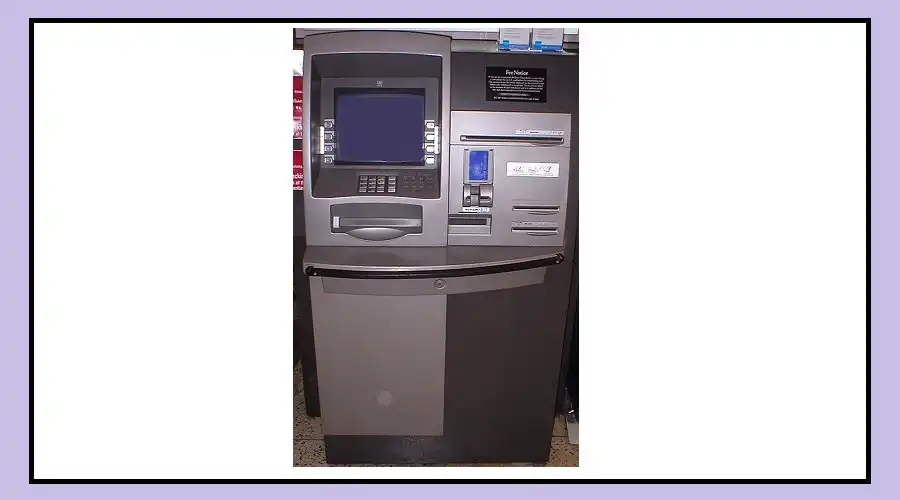
White Label ATMs are machines owned and operated by non-bank companies but connected to authorised ATM and card payment networks.
They allow customers of different banks to access ATM services.
More ATMs Must Be Deployed in Rural Areas
The RBI has retained a specific deployment requirement to improve access in underserved locations.
White Label ATM operators must maintain a minimum deployment ratio of 1:2:3 across metro or urban, semi-urban and rural regions, respectively.
The central bank will review compliance with this requirement at least once every six months. Operators will also not be allowed to take over ATMs already operated by banks.
Cash Supply and Banking Partnerships Become More Flexible
The new framework allows White Label ATM operators to work with multiple sponsor banks.
They can also source cash from scheduled commercial banks, cooperative banks and regional rural banks, instead of depending only on their sponsor banks.
Operators can purchase wholesale cash directly from RBI Issue Offices and Currency Chests, subject to the prescribed conditions.
Such purchases must exceed one lakh pieces of a denomination and be made in multiples of that quantity against full payment.
New ATM Services and Customer Protection Measures
The directions allow operators to offer interoperable cardless cash withdrawals using UPI for customer authorisation.
They may also provide interoperable cash deposit and bill payment services, subject to technical feasibility and applicable certification requirements.
Customers will not be charged directly by White Label ATM operators for using these machines. The applicable rules on free ATM transactions and customer charges will continue to apply.
The RBI has also clarified that the issuing bank will have primary responsibility for resolving complaints related to failed transactions at White Label ATMs.
Existing timelines for complaint resolution and compensation applicable to bank-operated ATMs will also apply.
The new directions consolidate the earlier regulatory framework and replace 11 previous circulars and guidelines.
The changes are intended to strengthen the operation of White Label ATMs while improving access to cash and other banking services, especially outside major cities.