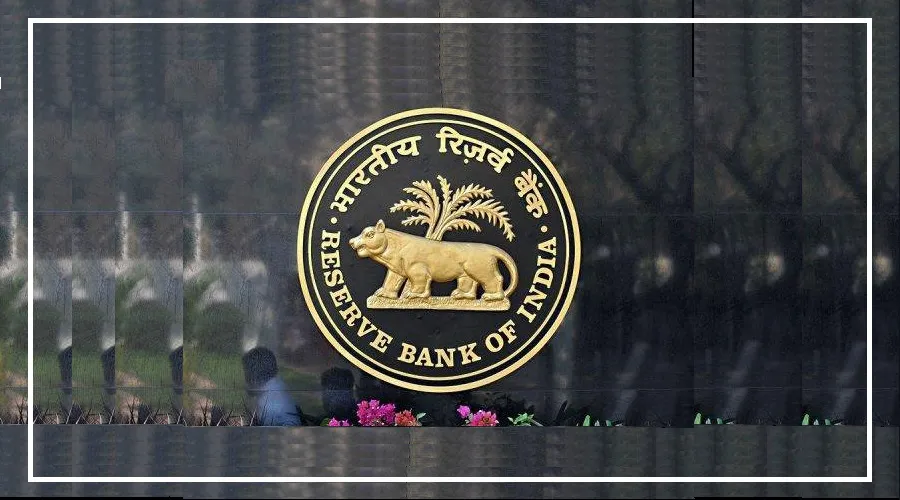
The Reserve Bank of India (RBI) has issued a warning for bank account holders. Starting January 1, banks may begin closing certain types of inactive accounts.
This move is aimed at cleaning up unused accounts, reducing fraud risks, and improving overall banking system hygiene.
If you’re unsure whether your account could be affected, here’s what you need to know.
Which Accounts Are at Risk?
Dormant Accounts
A dormant account is one with no customer-initiated transactions for two years or more.
This could include deposits, withdrawals, transfers, or even online logins, depending on your bank’s policy.
If your account is dormant:
Transactions may be temporarily blocked
Interest (if applicable) could stop
The account may be flagged for closure if the bank doesn’t hear from you
Banks usually send SMS, email, or physical mail asking customers to reactivate dormant accounts by making a transaction or updating their details.
Zero Balance Accounts
Accounts with a zero balance for extended periods may also be closed.
This includes:
Savings accounts opened for occasional use but never deposited into
Long-unused zero-balance accounts
Closing such accounts helps banks reduce administrative work and clean up records.
Inactive Accounts with Missing KYC
If your account hasn’t been used and your KYC documents are outdated or missing, your bank may close it.
Banks are required to maintain up-to-date identification and address proof for all customers.
Failing to comply can lead to account deactivation.
How to Keep Your Account Safe
If you think your account might be at risk:
Make a simple transaction, such as a deposit or withdrawal
Update your KYC details with the bank
Respond promptly if the bank sends inactivity alerts
Acting before January ensures your account remains active and accessible.
Conclusion
From January 1, banks may close certain dormant, zero-balance, and inactive accounts to strengthen security and maintain accurate financial records.
Account holders should check their activity and KYC documents in advance to avoid unintended closures.