
WhatsApp SIM Binding Rules are expected to affect how users in India access WhatsApp, Telegram and other messaging apps from January 1, 2027.
Under the Department of Telecommunications (DoT) directive, covered apps must remain linked to the active SIM card associated with the mobile number used to register an account.
Platforms have been given until December 31, 2026, to comply with the requirements.
The change could affect people who remove their registered SIM cards, use messaging apps on devices without that SIM, or rely on Wi-Fi while keeping the registered number inactive.
However, the precise impact will depend on how each platform implements the requirements.
What Are the New WhatsApp SIM Binding Rules?
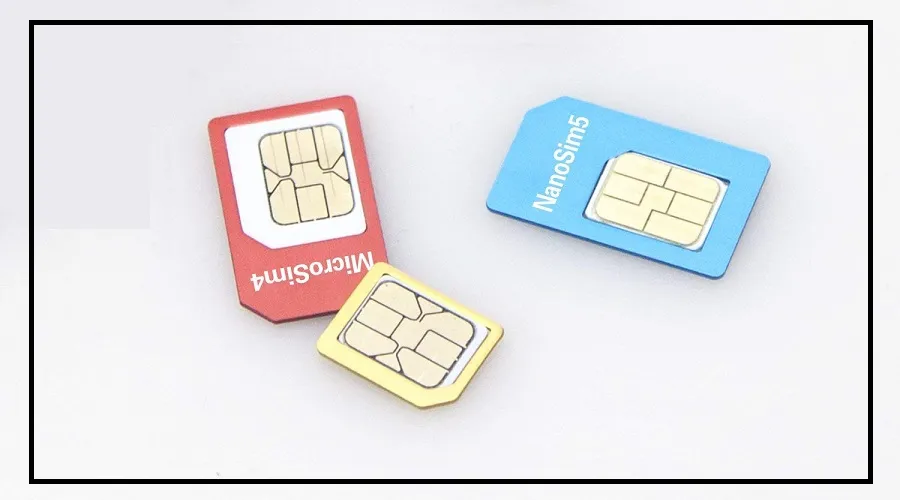
SIM binding means keeping a messaging account continuously connected to the active SIM card associated with the mobile number used for identification or registration.
Under the directive, users may not be able to continue using a covered app on a device if the relevant SIM is removed or deactivated.
The DoT issued the directions in November 2025 under the Telecom Cyber Security Rules, 2024.
The government says the measure is intended to prevent misuse of Indian mobile numbers and improve traceability in cases involving phishing, impersonation, digital arrest scams and other forms of cybercrime.
Which Messaging Apps Could Be Affected?
The government directive names eight app-based communication services: WhatsApp, Telegram, Snapchat, Arattai, ShareChat, Josh, JioChat and Signal.
These services use Indian mobile numbers for user identification or service delivery and are covered by the reported SIM-binding requirements.
The exact user experience may differ between platforms as they implement the technical changes.
Users should watch for official notifications from their messaging apps rather than assume that every feature will change in exactly the same way on January 1.
What Happens If You Remove Your Registered SIM?
Users who keep their registered SIM active in their primary smartphone may experience little change in routine use.
However, people who frequently switch SIM cards between phones, use a tablet without a SIM, or access messaging accounts on devices separate from their registered number may need to adjust their setup.
If an app cannot verify the required SIM connection, its functionality could be restricted until the appropriate active SIM is available again.
Users should therefore check which number is registered with each messaging account and ensure that the number remains active.
Those travelling abroad should also check their arrangements before leaving.
The government has clarified that the direction does not affect cases where the registered SIM remains in the handset and the user is on roaming.
Will WhatsApp Web Log Out Every Six Hours?
The original DoT directions included periodic logout requirements for web versions of messaging apps.
However, subsequent reporting says the fixed six-hour logout requirement was replaced with a risk-based approach, meaning users should not assume that every WhatsApp Web session will automatically end at six-hour intervals.
Users should continue to follow the security prompts and linking procedures shown by the apps.
If a platform asks users to relink a device or verify their account, they should complete the process through the official app or website.
What Should Users Do Before January 1, 2027?
Users can prepare by checking that the mobile number linked to their messaging accounts is active and that the associated SIM is available in the device they use.
They should also review linked devices and keep their apps updated to receive the latest compatibility and security changes.
There is no need to assume that all accounts will suddenly stop working on January 1.
The date follows the stated compliance deadline for platforms, and the practical impact will depend on implementation and verification. Users should rely on official updates from their messaging providers and the DoT for any further instructions.