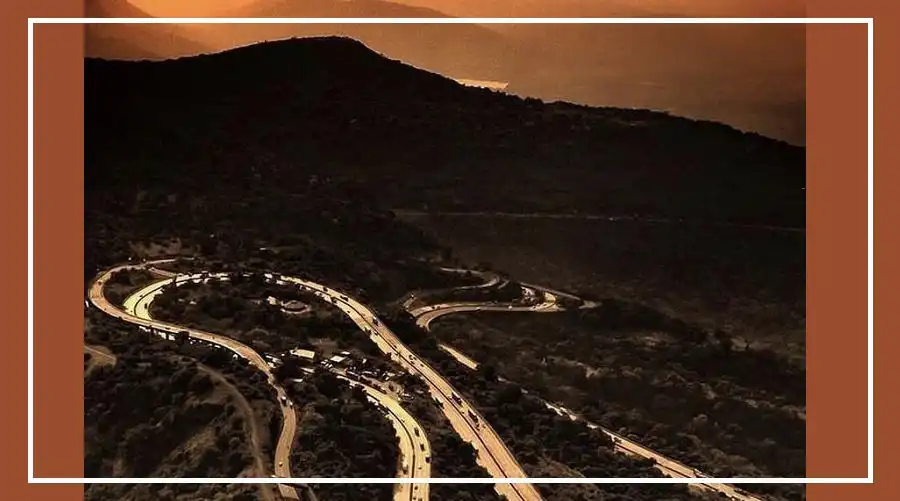

Mumbai-Pune Expressway rules will change from November 1, 2026, as Maharashtra Highway Police makes the ban on goods-carrying vehicles using the Missing Link permanent.
Private cars and other permitted light motor vehicles will be allowed to travel at speeds of up to 100 kmph, while passenger buses will have a maximum speed limit of 80 kmph.
The revised traffic restrictions are intended to improve commuter safety on the 13.3-km Connecting Link, commonly known as the Missing Link.
The route includes long tunnels and other major engineering structures, prompting authorities to impose specific rules for vehicle access and speed.
The new regulations will take effect on November 1 and remain in force until further orders.
Goods vehicle operators will have to continue using the original Mumbai-Pune Expressway route instead of the new connecting stretch.
Mumbai-Pune Expressway Rules: Which Vehicles Are Banned?
Under the revised notification, all goods-carrying vehicles will be prohibited from using the Missing Link.
The restriction includes heavy trucks, containers, pickup vans and small commercial goods vehicles such as Tata Ace.
Vehicles carrying inflammable, explosive or other hazardous materials will also be barred from the route.
These vehicles must use the original expressway alignment, which includes the existing ghat section.
The decision maintains the earlier restriction on goods vehicles beyond the initial six-month period that began when the Missing Link opened to traffic on May 1, 2026.
Authorities have now made the ban permanent until further orders.
New Speed Limits for Cars and Buses
The Maharashtra Highway Police notification sets different maximum speeds for permitted vehicle categories.
Private cars, jeeps and other non-transport light motor vehicles will be allowed to travel at a maximum speed of 100 kmph.
Passenger buses and other permitted passenger vehicles will have to remain within 80 kmph.
Drivers should follow the displayed speed limits and exercise particular caution while travelling through the tunnels.
The prescribed limits remain applicable even when traffic conditions appear clear.
The Maharashtra State Road Development Corporation has also been directed to install speed-limit signboards at appropriate locations along the connecting stretch.
Why Are Goods Vehicles Restricted on the Missing Link?
The authorities have cited tunnel design, technical considerations and passenger safety as the reasons for continuing the restrictions.
The aim is to manage traffic movement through the new alignment and reduce the risks associated with goods vehicles using the tunnels.
The Missing Link connects the Khopoli and Kusgaon areas and bypasses part of the winding Khandala ghat section.
The approximately 13.3-km route was developed to improve connectivity between Mumbai and Pune and reduce the distance travelled on the expressway.
However, the route’s engineering features require specific traffic management measures.
Keeping goods vehicles on the original expressway alignment allows authorities to maintain separate access rules for commercial transport and permitted passenger vehicles.
The restrictions also cover hazardous cargo, which can pose additional risks in enclosed tunnels if an incident occurs.
Drivers transporting such materials should therefore plan their journeys using the existing expressway route.
What Motorists Should Do From November 1
People travelling between Mumbai and Pune should check whether their vehicle category is permitted on the Missing Link before beginning their journey.
Private car users and passenger bus operators can continue using the route, subject to the applicable speed limits and traffic instructions.
Truck drivers, container operators and owners of goods-carrying vehicles must use the original expressway alignment.
Small commercial vehicles should not assume that they are exempt simply because they are smaller than heavy trucks.
Motorists should also avoid stopping inside the tunnels or on the connecting stretch unless required by an emergency or directed by authorities.
Following traffic signs and police instructions is particularly important on a high-speed road with long tunnels.
The new rules take effect on November 1, 2026.
Checking vehicle eligibility and planning the route in advance can help travellers avoid unnecessary diversions and comply with the revised restrictions.