
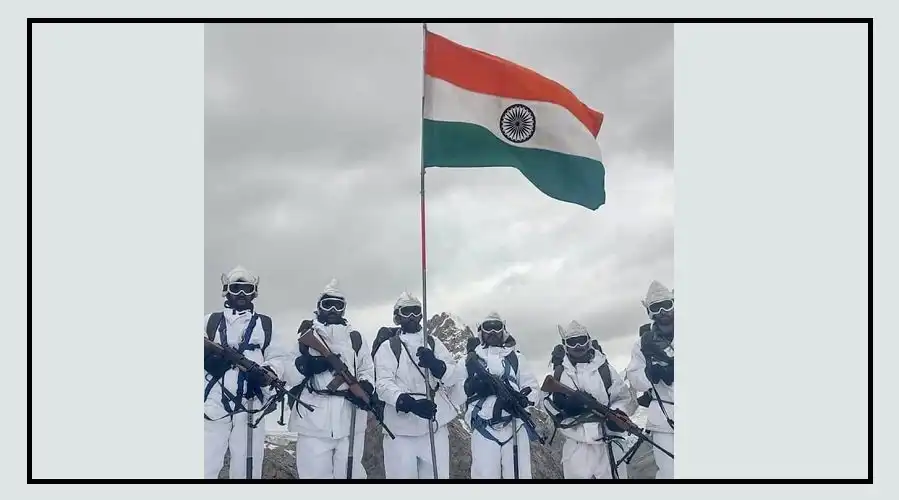

Agniveer Scheme Service Extension has given thousands of young personnel an opportunity to continue serving in the Indian Armed Forces beyond their initial four-year engagement.
The Union Cabinet has approved an additional two-year service period for the 75% of Agniveers who would otherwise leave after completing their original tenure.
Chief of Defence Staff (CDS) General NS Raja Subramani announced the decision on November 4, 2026, following a Union Cabinet meeting.
Under the revised arrangement, eligible Agniveers can potentially serve for six years before being considered for regular enrolment under the prescribed selection process.
The announcement comes as the first batch of Agniveers approaches the end of its initial four-year service period, with around 18,000 personnel expected to complete their tenure in the coming weeks.
Agniveer Scheme Service Extension: What Has Changed?
Under the original Agnipath scheme, introduced in June 2022, young recruits were engaged in the armed forces for four years.
After completing this period, up to 25% of each batch could be selected for enrolment into the regular cadre based on merit and organisational requirements.
The remaining 75% were expected to return to civilian life after completing their four-year engagement.
The revised arrangement changes this provision. The 75% who are not selected for regular enrolment after the initial four years will now be offered an additional two-year engagement period.
This means eligible Agniveers will have an opportunity to serve for a total of six years instead of leaving after four years.
The extension is an additional engagement opportunity and does not automatically make every Agniveer a permanent member of the armed forces.
What Happens After the Additional Two Years?
The government has also outlined a further opportunity for Agniveers after completing the extended service period.
According to CDS General NS Raja Subramani, those who complete the additional two years and wish to continue serving will be considered for enrolment into the regular armed forces.
However, selection will not be automatic. Agniveers must be willing to continue and meet the prescribed objective selection criteria.
Their performance during service will play an important role in the assessment. The armed forces will also consider operational and organisational requirements before making final selections.
This creates another opportunity for personnel who are not included in the initial 25% regular enrolment group to demonstrate their capabilities and seek a longer military career.
How Will Agniveer Performance Be Evaluated?
The CDS said the armed forces would follow an objective assessment process while considering Agniveers for regular service.
Several factors will be considered, including physical fitness, motivation, morale, discipline and technical proficiency.
Their achievements and overall performance during the extended engagement will also form part of the assessment.
The evaluation is intended to identify personnel who demonstrate the ability and willingness to continue serving in the armed forces.
The organisation’s manpower requirements will remain an important consideration. Therefore, completing six years of service will provide an opportunity for consideration, but it will not guarantee permanent enrolment.
Will Agniveers Receive Higher Salary During the Extension?
The government has indicated that Agniveers selected for the additional two-year engagement will receive higher pay and an increased service fund benefit.
This is expected to improve the financial returns available to personnel who continue serving beyond their original four-year period.
The additional engagement will also allow Agniveers to gain more military experience and develop technical and professional skills.
However, detailed information about the revised pay structure, service fund calculations and implementation arrangements should be checked against the official government instructions once issued.
Why Has the Government Changed the Agnipath Scheme?
The Agnipath scheme was introduced on June 14, 2022, to recruit young personnel into the Army, Navy and Air Force for a fixed four-year period. It was designed to maintain a younger workforce in the armed forces.
Under the original framework, only 25% of each batch could be retained in regular service, while the remaining recruits would transition back to civilian life.
The first batch’s performance assessments and feedback from the armed forces have now contributed to the government’s decision to provide an additional service opportunity.
The extension also comes shortly before the first batch was due to complete its original engagement period. The decision gives the affected personnel more time to serve and another potential route towards regular enrolment.
For Agniveers and their families, the revised arrangement represents a significant change in the career pathway.
However, the final opportunity for permanent service will continue to depend on willingness, performance and the armed forces’ selection requirements.