
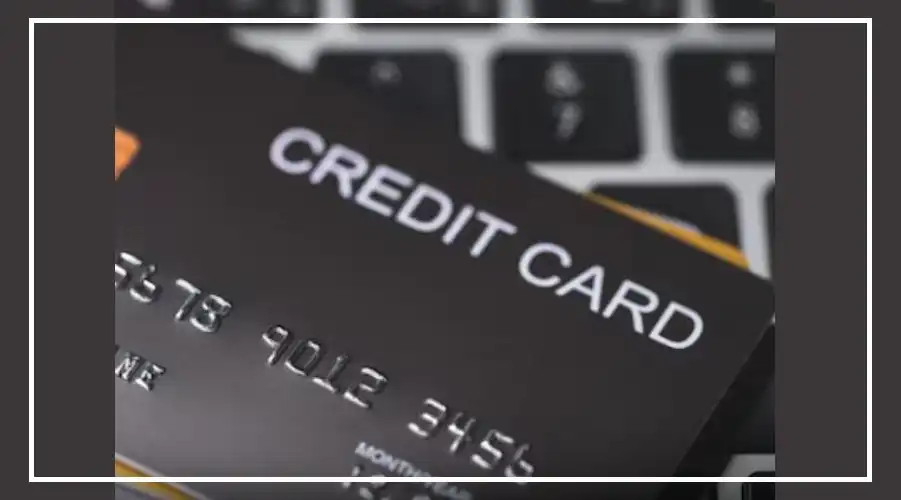

Credit card use has grown rapidly in India.
According to Reserve Bank of India (RBI) data, the number of active credit cards has crossed 12 crore, while monthly credit card spending has also gone above ₹2.02 lakh crore.
But not everyone who owns a credit card uses it regularly.
If your credit card has been sitting unused for months, you may be thinking about closing it.
The good news is that you don’t necessarily need to visit a bank branch for this.
Depending on the facilities provided by your card issuer, you can request credit card closure from home.
But before you close the card, there are a few important things you should check.
Do These Things Before Closing Your Credit Card
Don’t rush to cancel your credit card.
First, make sure there are no outstanding dues on the card.
If you have an unpaid balance, clear it before requesting closure.
You should also use any unused reward points before closing the account, as these may not remain available after the card is closed.
Another important step is to cancel any auto-payments or subscriptions linked to the credit card.
Otherwise, a payment could fail after the card is closed.
How to Close Your Credit Card From Home
You may be able to close your credit card without visiting a bank branch.
Depending on the card issuer’s available facilities, you can submit a closure request through:
Customer care
The bank’s mobile app
Net banking
Other channels provided by the card issuer
You will generally need to provide details such as your name, address and the last four digits of your credit card, along with any other information requested by the issuer.
According to RBI rules, the card issuer must close the credit card within seven working days after receiving the closure request, provided there are no outstanding dues.
Once the card is officially closed, you can physically destroy it.
Cut it diagonally and make sure the magnetic stripe is completely damaged.
You Can Also Visit the Bank Branch
If you prefer the offline method, you can submit a written request for credit card closure at the bank branch.
Carry your identification documents, such as an Aadhaar card or Voter ID, if required by the bank.
The bank will process the closure request after verifying the necessary details.
What Happens If the Bank Doesn’t Close Your Card in 7 Days?
This is one of the most important RBI rules that credit card users should know.
If you have requested closure and the issuer fails to close the card within the required seven working days, the eligible customer may be entitled to compensation of ₹500 per day until the card is closed, subject to the applicable RBI conditions.
The card issuer must also report the closure to the relevant credit information companies within 30 days.
Therefore, don’t simply assume your card has been closed. Keep the closure confirmation safely and check your credit report later if needed.
What If You Don’t Use Your Credit Card for a Long Time?
There is another rule that cardholders should know.
If a credit card has remained unused for more than one year, the card issuer can initiate the process of deactivating it.
However, the issuer must first inform the customer.
If the cardholder does not respond within 30 days, the issuer can proceed with closing the card, subject to the applicable rules.
So, if you have an unused credit card, check its status rather than simply leaving it inactive for years.
Check Everything Before You Close the Card
Closing an unused credit card can be useful, but make sure you complete the process properly.
Clear all outstanding dues, redeem your reward points, cancel auto-payments and keep proof of your closure request.
Most importantly, remember the seven-working-day RBI timeline.
If the issuer does not close the card within that period despite meeting the conditions, the applicable compensation rule can come into play.