
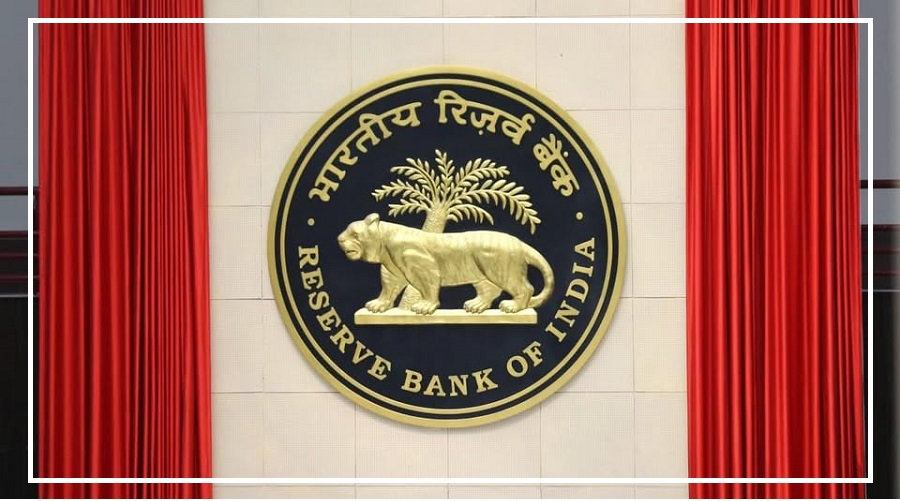

The Reserve Bank of India (RBI) has announced stricter rules for banks and other regulated financial institutions to protect customers from misleading sales practices.
The new guidelines are aimed at preventing the mis-selling of financial products such as insurance, loans, investment products, and other banking services.
The RBI wants to ensure that customers fully understand what they are buying and are not pressured or tricked into purchasing products they do not need.
While the rules were initially expected to come into effect in July 2026, the RBI has now postponed their implementation to January 1, 2027.
The central bank said banks need additional time to make the necessary technical and operational changes.
Banks Must Get Clear Customer Consent
One of the biggest changes under the new guidelines is that banks will now have to obtain explicit customer consent before selling any financial product or service.
In addition, banks must assess whether a product is suitable for a customer before offering it.
Consent can be obtained through:
Signed declarations
OTP-based verification
Digital approvals
Clearly mentioned consent clauses in agreements
The RBI wants to ensure that customers are making informed decisions rather than unknowingly agreeing to products or services.
RBI Bans ‘Dark Patterns’ on Apps and Websites
The central bank has also cracked down on the use of “dark patterns” in digital platforms.
Dark patterns are design tricks used on websites or mobile apps to influence users into taking actions they may not have intended, such as signing up for services, accepting additional products, or sharing personal information.
Under the new rules, banks and regulated entities will not be allowed to use such misleading designs or user-interface techniques.
This move is expected to make digital banking platforms more transparent and customer-friendly.
Customers to Get Full Refund in Mis-Selling Cases
The RBI has taken a tough stand against mis-selling.
According to the guidelines, if it is proven that a financial product or service was sold through misleading or unfair practices, the bank will have to refund the entire amount paid by the customer.
The bank must also inform the customer that the sale has been cancelled.
This provision is aimed at increasing accountability and protecting customers from financial losses caused by improper sales practices.
Influencers and Marketing Agents Also Under RBI’s Watch
The new framework does not only apply to banks.
The RBI has clarified that influencers, affiliates, loan service providers, and digital marketing partners involved in promoting financial products will also come under stricter scrutiny.
These individuals and organizations will be treated as direct selling or marketing agents.
Importantly, banks and regulated entities will remain responsible for the actions of these third-party promoters.
This means financial institutions cannot escape responsibility if their marketing partners engage in misleading promotions.
New Rules on Employee Incentives
The RBI has also addressed concerns related to sales-based incentives.
Under the guidelines, third-party companies will not be allowed to offer incentives directly to bank employees.
However, banks can continue to provide incentives to their own staff.
The central bank has emphasized that incentive structures should not encourage aggressive selling or push employees to sell unsuitable products to customers simply to meet targets.
Banks Must Create Clear Sales and Advertising Policies
Another important requirement is that banks will now have to create comprehensive policies covering the advertising, marketing, and sale of both their own products and third-party financial products.
The RBI believes these measures will improve transparency, reduce customer complaints, and help build greater trust in the financial system.
For customers, the new rules could mean fewer unwanted products, clearer information, and stronger protection against misleading sales tactics.